
Ndutu Calving Season – A Front-Row Seat to New Life
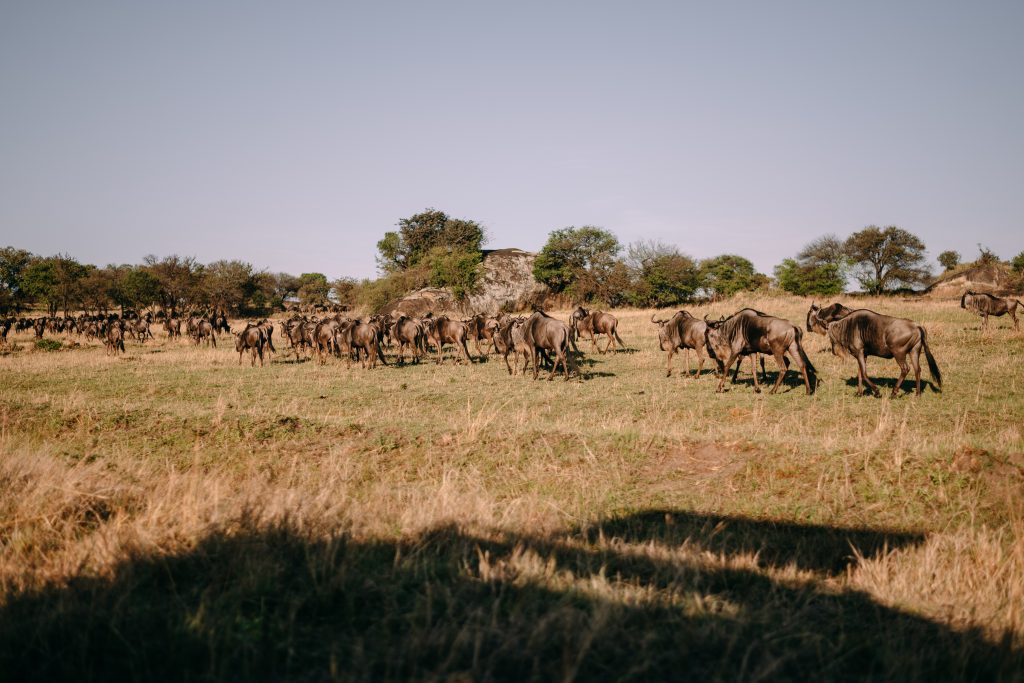
Ndutu Calving Season Ndutu Calving Season. Every year in the heart of East Africa, one of nature’s most extraordinary events takes place the Calving Season of the Great Wildebeest Migration. This period transforms the southern Serengeti into a nursery of life, excitement, and dramatic wildlife interactions unlike anywhere else on Earth. For travelers, photographers, and nature lovers, witnessing calving season feels like watching the raw pulse of the natural world unfold right before your eyes. In this blog, we dive deep into what calving season is, why it happens, where it takes place, and what makes it one of the best times to visit Tanzania. What Is Calving Season? Calving Season is the time of year when hundreds of thousands of wildebeest give birth almost all at the same time. It typically occurs between late January and early March, depending on rainfall patterns. During this period: Over 400,000–500,000 calves are born. Around 8,000 new calves arrive every single day during the peak. Calves can stand and walk within five minutes and run within 15 minutes of birth. This synchronized birthing is a survival strategy. By giving birth all at once, predators cannot possibly hunt all newborns, so many calves survive the early threats. Why Does Calving Season Happen in the Southern Serengeti? The southern Serengeti, including areas around Ndutu, Lake Masek, and Kusini, offers the perfect conditions for wildebeest mothers: 1. Rich, nutrient-filled grass After the November, December rains, the plains grow the greenest, most nutritious grasses in the entire migration route. This is essential for mother wildebeests, who must produce large amounts of milk. 2. Open plains for safety Wide, open grasslands allow mothers to see predators from far away. Even though predators still strike, the open area gives the wildebeest a fighting chance. 3. Short grass ecosystem Newborn calves are tiny tall grass would hide them from their mothers. The short grass plains allow the herd to stay connected and protect their young. The Drama of Predator and Prey Calving season is a paradise for grazers but also prime hunting time for predators. This is the season of intense survival battles. Major predators active during calving season: Lions – often hunt in groups to target newborns and exhausted mothers. Cheetahs – extremely active in Ndutu; they chase the newborns in dramatic scenes. Hyenas – opportunistic hunters and scavengers. Leopards – stealth hunters waiting in wooded areas around Ndutu and Masek. African wild dogs occasionally appear in the region. But even with predators around, the sheer number of newborns ensures many survive. This balance of life and death is what makes the ecosystem strong. What Makes Calving Season Special for Travelers? 1. Incredible Wildlife Photography Photographers love calving season because: There is constant action. Newborn calves stay close to their mothers. Dramatic predator hunts occur in daylight. The landscape is green and beautiful after the rains. 2. Best Time to See Baby Animals You will see: One or two-minute-old calves taking their first steps Mothers cleaning their newborns Calves running, playing, and learning survival skills Predator vs prey interactions 3. Fewer Tourists Than Peak Migration Months Compared to July–October (river crossing season), calving season has fewer visitors, which means more intimate wildlife sightings. Weather and Scenery Ndutu Calving Season The southern Serengeti is lush and green after the rains, creating a spectacular backdrop for photography. Expect: Warm days Occasional short rains Cooler nights Because of the rain patterns, wildlife tends to spread across the plains but Ndutu and the surrounding areas remain the heart of the action. Best Areas to Visit During Calving Season 1. Ndutu Region (Ngorongoro Conservation Area) This is the prime location. Ndutu offers the most reliable sightings of newborn calves and predator activity. 2. Southern Serengeti Plains Mashati Naabi Hill area Gol Kopjes These areas are known for cheetahs and scenic open plains. 3. Kusini Region Less crowded, excellent for lions and big open plains with large herds. When Is the Best Time to Visit for Calving Season? The best activity usually happens between: • January 20th – March 10th Late January – early February: The peak birthing period with the highest number of new calves. Mid-February – early March: Great for predator action as the calves grow stronger. Tips for Travelers Planning a Calving Season Safari 1. Choose Lodges Close to Ndutu Staying near the action reduces long drives and increases your chances of sightings. 2. Hire an Experienced Driver-Guide The plains can be muddy; only experienced guides know how to navigate the terrain and find wildlife efficiently. 3. Use a 4×4 Safari Vehicle Essential for the wet plains. 4. Carry extra batteries and memory cards Calving season is extremely photogenic you will take hundreds of photos. 5. Pack light but be prepared Light clothing Waterproof jacket Good shoes Binoculars Is Calving Season Safe to Visit? Absolutely. Safari guides know the environment very well, and the wildlife does not target safari vehicles. The only caution is that the green season brings some insects, but nothing dangerous. Why Calving Season Is a Must-Experience Safari Calving season is one of the most emotional, powerful, and visually spectacular events in the natural world. It combines the joy of new life with the intense drama of predator action—offering visitors a front-row seat to the circle of life. Whether you are a photographer, wildlife lover, or simply curious traveler, witnessing thousands of calves take their first steps on the endless plains is an unforgettable experience. It is not just a safariIt is the heart of Africa beating right before your eyes.